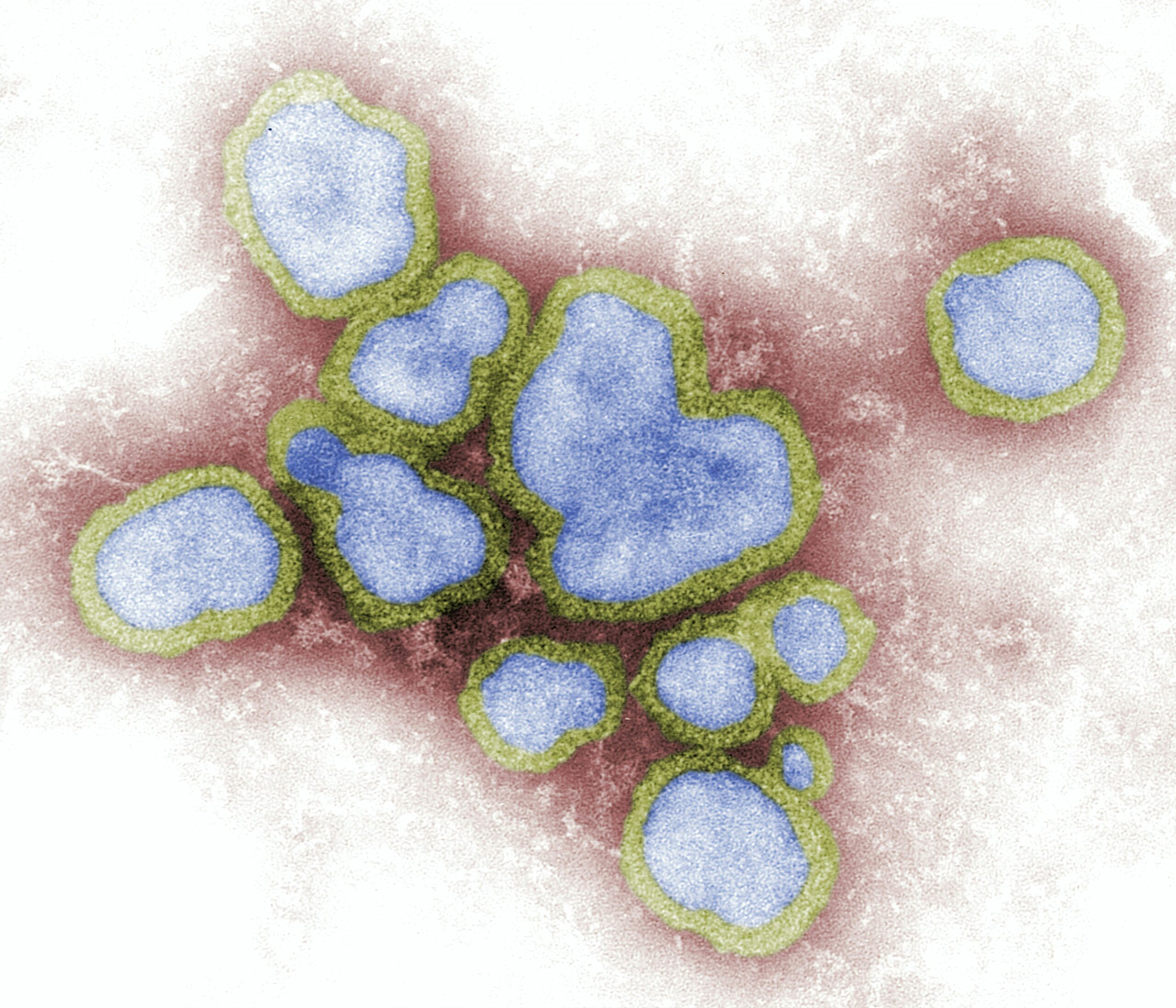
Leptospirosis can be a tricky disease to pinpoint, as its symptoms often mimic those of other common illnesses. Think flu, but sometimes with a bit more going on. In a nutshell, it’s a bacterial infection that can affect both humans and animals. It’s caused by bacteria called Leptospira, which usually spread through the urine of infected animals, particularly rodents, and then contaminate water or soil. If you’re wondering what to look out for and how doctors figure it out, you’re in the right place.
Before we dive into symptoms and diagnosis, a quick word on what we’re dealing with. Leptospirosis isn’t some rare, exotic illness you’ll only find in jungles. It’s actually quite widespread globally, though it’s more common in tropical and subtropical regions. It’s considered a zoonotic disease, meaning it’s transmitted from animals to humans.
The Bacteria Behind It
The culprits are spiral-shaped bacteria, or spirochetes, from the genus Leptospira. There are many different strains, and they can affect various animals.
How it Spreads
Imagine a field, a puddle, or even just wet soil that’s been contaminated by the urine of an infected animal – a rat, a dog, cattle, deer, you name it. If you come into contact with that contaminated water or soil, especially if you have cuts or scrapes, or if it gets in your eyes, nose, or mouth, the bacteria can enter your body. Swimming in contaminated water is a big one. Even gardening with bare hands in contaminated soil can be a risk.
Early Signs and Symptoms: The “Flu-Like” Stage
The initial symptoms of leptospirosis often start quite suddenly, usually a few days to a couple of weeks after exposure. This first phase, sometimes called the “leptospiremic phase,” can be easily mistaken for a bad case of the flu. This is where it gets challenging to diagnose without testing.
Common Initial Symptoms
- Fever: Often high, and can come on quite suddenly.
- Headache: Usually quite severe.
- Muscle Aches: These can be intense, especially in the calves and lower back. They’re often described as more severe than typical flu aches.
- Chills: A common companion to fever.
- Nausea and Vomiting: Can range from mild to significant.
- Diarrhea: Less common than nausea, but still possible.
- Red Eyes (Conjunctival Suffusion): This is a key distinguishing feature for many doctors. Unlike typical pink eye, the redness in leptospirosis often appears without pus or discharge and can give the whites of the eyes a reddish, bloodshot appearance.
Why It’s Hard to Pin Down Early
Because these symptoms are so generic, many people won’t even consider leptospirosis. They might just think they’ve caught a particularly nasty flu or even a bad cold. This is why a detailed medical history, including any potential animal contact or water exposure, is so important when seeking medical help.
More Serious Symptoms: The “Immune Phase”

Not everyone develops more severe symptoms. Many people experience only the mild, flu-like illness and recover without specific treatment. However, in some individuals, after the initial symptoms might subside for a few days, the illness can progress to a more serious “immune phase.” This is when the body’s immune system starts fighting the bacteria, leading to more targeted damage to organs.
Signs of Organ Involvement
- Kidney Problems: This is one of the most serious complications. You might notice less urine output, dark urine, or even complete kidney failure.
- Liver Involvement (Jaundice): The skin and whites of the eyes can turn yellow. This is a classic sign of liver issues and, when seen with leptospirosis, is often referred to as Weil’s disease (a severe form of leptospirosis).
- Meningitis: Inflammation of the membranes surrounding the brain and spinal cord. Symptoms include severe headache, stiff neck, and sensitivity to light.
- Lung Problems: Coughing, shortness of breath, and even bleeding into the lungs can occur. This is a very serious complication.
- Rashes: While less common, some people can develop a rash, which might appear as red spots or blotches.
- Eye Inflammation (Uveitis): This can cause pain, redness, and blurred vision, and can sometimes appear weeks or months after the initial infection.
Weil’s Disease: A Severe Form
Weil’s disease is the term for severe leptospirosis characterized by jaundice (yellowing skin/eyes), kidney failure, and bleeding. It’s a medical emergency and requires immediate hospital care. While not everyone gets Weil’s disease, it highlights the potential severity of the infection.
Who’s at Risk? Understanding Exposure

Knowing where and how you might encounter Leptospira can help you and your doctor connect the dots faster. It’s all about potential exposure.
Occupational Risks
Certain jobs put people at higher risk:
- Farmers: Working with livestock, especially pigs and cattle, and being in fields that might be contaminated.
- Veterinarians and Animal Care Workers: Direct contact with potentially infected animals or their urine.
- Sewer Workers: Exposure to contaminated water and environments.
- Abattoir Workers: Handling animal carcasses.
- Rice Field Workers: Often working in water-logged fields where rodents are common.
Recreational Risks
- Swimmers, Waders, Kayakers, and Rafters: Especially in freshwater lakes, rivers, or canals that might be contaminated.
- Campers and Hikers: Contact with contaminated soil or water in outdoor environments.
- Gardeners and Landscapers: Working with soil in areas where animals might urinate.
Other Risk Factors
- Living in Flood-Prone Areas: Floodwaters can spread contaminated urine over wide areas.
- Contact with Rodents: Direct or indirect contact with rats or mice in homes or workplaces.
- Having Pets (Especially Dogs): Dogs can get leptospirosis (there’s a vaccine for them!), and while less common, they can transmit it to humans, particularly if their urine is not cleaned up properly.
Knowing if you fit into any of these categories and have developed symptoms is crucial information for your doctor.
Diagnosing Leptospirosis: The Medical Approach
| Symptoms | Diagnosis |
|---|---|
| Fever | Medical history and physical examination |
| Headache | Blood tests for antibodies |
| Muscle aches | Urine tests for Leptospira bacteria |
| Chills | PCR tests for Leptospira DNA |
| Nausea | Biopsy of affected tissue |
Because leptospirosis symptoms are so varied and often mirror other illnesses, diagnosis isn’t straightforward. It usually involves a combination of your medical history, physical examination, and lab tests.
Talking to Your Doctor: The History is Key
This is perhaps the most important part of the diagnostic process. Your doctor will ask you a lot of questions about:
- Your Symptoms: When they started, how severe they are, and if they’ve changed.
- Travel History: Have you been to areas where leptospirosis is common?
- Recent Activities: Have you been swimming, wading, or working outdoors in potentially contaminated water or soil?
- Animal Contact: Have you been around farm animals, wild animals, or even domestic pets that might carry the bacteria?
- Occupational Exposure: Does your job put you at risk?
Don’t hold back on details, even if they seem minor. That muddy hike last week or the rat problem in your shed could be vital clues.
Physical Examination
Your doctor will look for typical signs like:
- Fever: Checking your temperature.
- Conjunctival Suffusion: Looking for that characteristic redness in your eyes.
- Tenderness: Palpating your muscles, especially calves and back, to check for pain.
- Jaundice: Checking your skin and eyes for yellowing.
- Signs of Dehydration: Especially if you’ve been vomiting or have diarrhea.
Lab Tests: Confirming the Diagnosis
This is where your doctor tries to find evidence of the bacteria or your body’s response to it.
1. Blood Tests
- Complete Blood Count (CBC): Might show changes in white blood cells or platelets, which could indicate infection.
- Liver Function Tests (LFTs): To check for liver damage (elevated bilirubin, ALT, AST).
- Kidney Function Tests (Creatinine, BUN): To assess kidney health, as renal failure is a potential complication.
- C-Reactive Protein (CRP) and Erythrocyte Sedimentation Rate (ESR): These are general markers of inflammation in the body.
2. Specific Leptospirosis Tests
These are the tests that directly look for the bacteria or antibodies against them.
- Microscopic Agglutination Test (MAT): This is often considered the “gold standard” for diagnosing leptospirosis. It detects antibodies to Leptospira in your blood. The catch is that it might take a week or two for these antibodies to reach detectable levels, so an early test might be negative even if you have the infection. Your doctor might need to take two samples – one early on and another a couple of weeks later – to see if antibody levels are rising. This is called a “paired serology.”
- ELISA (Enzyme-Linked Immunosorbent Assay): Another common antibody test, often used as a screening tool. It can detect both IgM and IgG antibodies. IgM usually appears earlier in the infection.
- PCR (Polymerase Chain Reaction): This test looks for the genetic material (DNA) of the Leptospira bacteria itself. It can be performed on blood, urine, or cerebrospinal fluid (if meningitis is suspected). PCR is really useful in the early stages of the infection (the first 7-10 days) when the bacteria are still circulating in the bloodstream, often before antibodies develop.
- Culture: Growing the bacteria in a lab. This is usually done on blood or urine samples. However, Leptospira grows very slowly and can be difficult to culture, so this isn’t typically used for rapid diagnosis, though it can be valuable for research.
What if Tests are Negative?
It’s important to remember that a single negative test, especially in the very early stages of the disease, doesn’t always rule out leptospirosis. That’s why your doctor might recommend repeat tests or use a combination of different testing methods. Clinical suspicion, based on your symptoms and exposure history, remains paramount.
Treatment and Recovery
Once diagnosed, leptospirosis is treatable with antibiotics. The type and duration of antibiotics will depend on the severity of the infection.
Antibiotics are Key
- Mild Cases: Oral antibiotics like doxycycline or amoxicillin are often prescribed.
- Severe Cases: Intravenous antibiotics (e.g., penicillin G, ceftriaxone) may be necessary, often requiring hospitalization.
Supportive Care
Alongside antibiotics, supportive care is crucial, especially in more severe cases. This can include:
- Fluid Management: To prevent dehydration and support kidney function.
- Pain Relief: For headaches and muscle aches.
- Anti-emetics: To control nausea and vomiting.
- Dialysis: If kidney failure is severe.
- Respiratory Support: If lung complications arise.
Recovery time can vary widely. Mild cases might resolve in a few days to weeks. More severe cases, especially those with organ damage, can take much longer, and some individuals may experience lingering effects. Early diagnosis and treatment significantly improve the outcome and reduce the risk of severe complications.
In summary, if you’ve been outdoors, especially near water or animals, and suddenly develop flu-like symptoms, particularly with severe muscle aches and red eyes, consider discussing leptospirosis with your doctor. Providing a thorough history of your activities and potential exposures will be your best contribution to getting the right diagnosis.
FAQs
What are the common symptoms of leptospirosis?
Leptospirosis symptoms can range from mild to severe and may include high fever, headache, muscle aches, chills, vomiting, jaundice, red eyes, abdominal pain, diarrhea, and rash.
How is leptospirosis diagnosed?
Leptospirosis is diagnosed through a combination of clinical symptoms, blood tests, and sometimes urine tests. Blood tests can detect the presence of specific antibodies to the bacteria that causes leptospirosis.
Can leptospirosis be mistaken for other illnesses?
Yes, leptospirosis symptoms can be mistaken for other illnesses such as dengue fever, influenza, or viral hepatitis. It is important to consult a healthcare professional for an accurate diagnosis.
What are the risk factors for leptospirosis?
Risk factors for leptospirosis include exposure to contaminated water or soil, contact with animals such as rodents or livestock, and engaging in outdoor activities in high-risk areas.
Is leptospirosis treatable?
Leptospirosis is treatable with antibiotics, especially when diagnosed early. In severe cases, hospitalization and supportive care may be necessary. It is important to seek medical attention if leptospirosis is suspected.