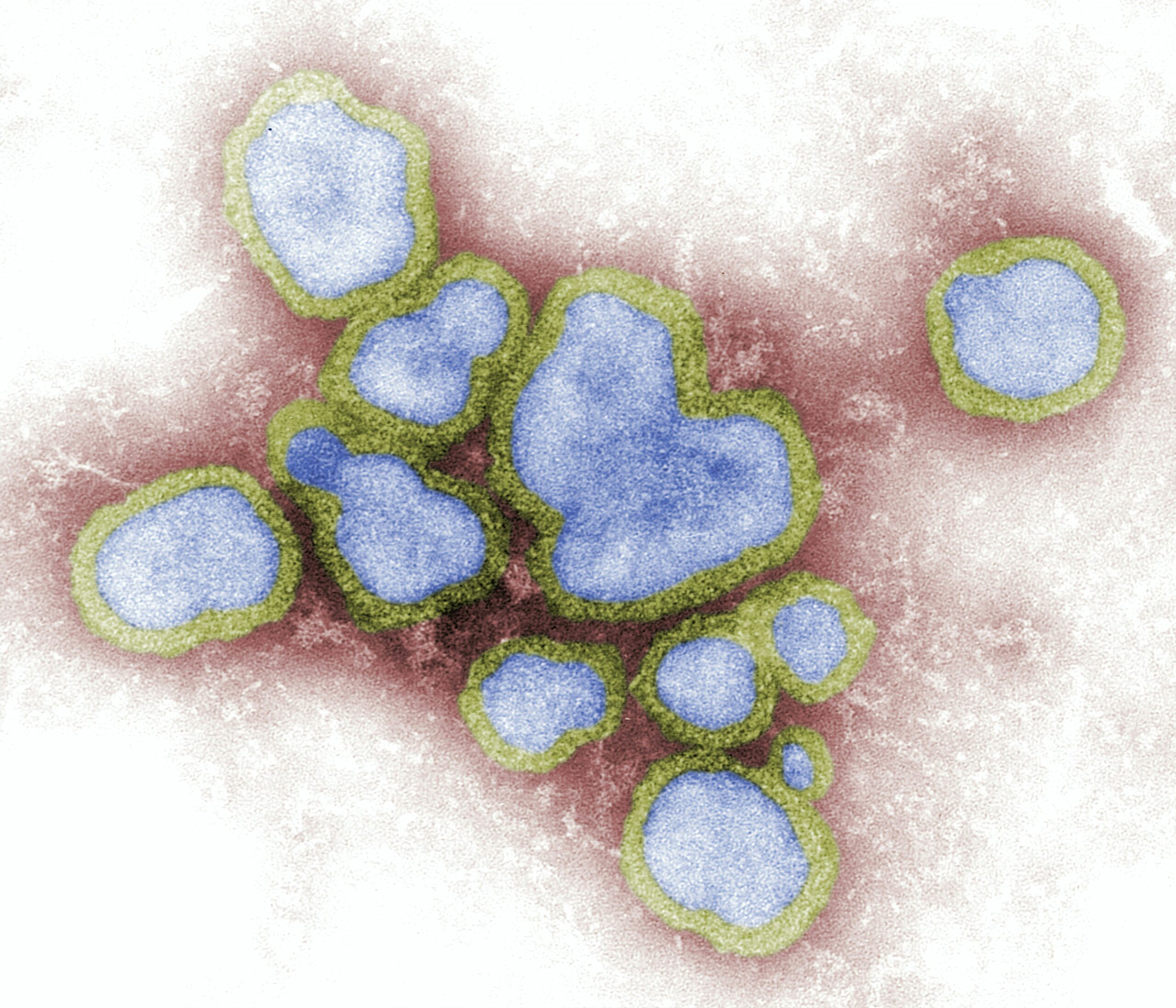
Mono, short for mononucleosis, is primarily caused by the Epstein-Barr virus (EBV). While it’s often called the “kissing disease” due to its spread through saliva, there’s a bit more to understanding why some people get it and others don’t, even with similar exposures.
When we talk about mono, we’re almost always talking about an infection with the Epstein-Barr virus (EBV). This is a very common virus, belonging to the herpes family. In fact, most people will be infected with EBV at some point in their lives, often without even realizing it or experiencing a full-blown case of mono.
How EBV Spreads
EBV is highly contagious and primarily spreads through bodily fluids, particularly saliva. This is why it’s earned the nickname “the kissing disease.”
- Direct Contact: Kissing is a primary way it spreads, especially among teenagers and young adults. Sharing drinks or food, even from the same utensil, can also transmit the virus.
- Close Proximity: While less common, the virus can also spread through coughing and sneezing, as tiny droplets containing the virus can become airborne.
- Other Bodily Fluids: Less frequently, EBV can be present in blood and semen, meaning it can be spread through sexual contact, blood transfusions, and organ transplantation. However, these are not the typical routes for mono infection.
Latent Infection and Reactivation
Once you’ve been infected with EBV, the virus doesn’t just disappear. It stays in your body in a dormant, or latent, state, usually within certain immune cells. For most people, this doesn’t cause any further problems. However, the virus can reactivate periodically.
- Asymptomatic Shedding: During these reactivations, the virus can be shed in saliva, even if you don’t feel sick. This means someone who had mono years ago can still potentially spread the virus without knowing it.
- Immunocompromised Individuals: In people with weakened immune systems, such as those with HIV/AIDS or organ transplant recipients, EBV reactivation can sometimes lead to more serious health issues, though this is rare for typical mono.
Age and Immune System Factors
While EBV is widespread, not everyone who gets infected develops the recognizable symptoms of mono. Your age and the state of your immune system play a significant role in how you respond to the virus.
Childhood Infections: Often Asymptomatic
If you’re infected with EBV as a young child, your body usually handles it without much fuss.
- Mild or No Symptoms: Often, childhood EBV infections are so mild they go unnoticed or are mistaken for a common cold or other minor illness. The immune system is building and adapting, and it often mounts an effective response without the dramatic symptoms seen in later life.
- Early Exposure: Many children are exposed to EBV through casual contact with family members who are shedding the virus, but it rarely results in a noticeable case of mono.
Adolescent and Adult Infections: The Classic Mono Experience
The picture changes quite a bit when someone is exposed to EBV for the first time during adolescence or young adulthood.
- More Robust Immune Response: By this age, the immune system is fully developed and often mounts a very strong, sometimes overzealous, response to the novel virus. This robust immune reaction is what’s largely responsible for the classic symptoms of mono: severe fatigue, sore throat, swollen lymph nodes, and fever.
- Delayed Exposure: The reason adolescents and young adults are more susceptible to symptomatic mono is often simply a matter of when they first encounter the virus. If they managed to avoid it in childhood, their first exposure as a teenager can be a more impactful event for their system.
Compromised Immune Systems
While mono is generally a self-limiting illness for healthy individuals, people with compromised immune systems need to be more careful.
- Increased Risk of Complications: Individuals with weakened immune systems, such as those undergoing chemotherapy, organ transplant recipients, or people with HIV/AIDS, can experience more severe or prolonged symptoms from EBV infection.
- Potential for Other Conditions: In these populations, EBV can sometimes contribute to the development of certain cancers (like lymphomas) or other serious conditions, though this is not typical for the average mono patient.
Environmental and Social Factors

Beyond the virus itself and your body’s response, certain environmental and social situations can increase your chances of exposure and, consequently, your risk of developing mono.
Close Living Quarters
Being in close proximity to others significantly increases the likelihood of viral transmission.
- Dormitories and Shared Housing: College dorms, military barracks, and other communal living arrangements are notorious for the spread of highly contagious viruses like EBV. Shared spaces, frequent social interactions, and often less-than-perfect hygiene create ideal conditions for transmission.
- Group Activities: Any gathering where people are in close contact, such as sports teams, clubs, or social events, also presents opportunities for the virus to spread, especially given its presence in saliva.
Sharing Habits
Everyday habits can make a big difference in how easily EBV moves from person to person.
- Shared Utensils and Drinks: Something as simple as taking a sip from a friend’s drink or sharing a fork can be a direct pathway for EBV. Many people don’t think about these seemingly innocuous actions, but they are effective ways to pass saliva.
- Personal Hygiene: While EBV spread isn’t primarily about unwashed hands, practices like not covering coughs or sneezes can contribute to airborne transmission in close quarters.
Seasonal Trends
While mono can occur year-round, there are some patterns to its incidence.
- Fall and Spring Peaks: You might see a slight increase in mono cases during the fall and spring. This often coincides with the start of new school years and increased social activity among students, leading to more opportunities for close contact and sharing.
- Not a “Seasonal” Virus: Unlike respiratory viruses that have strong winter peaks, EBV doesn’t have as rigid a seasonal pattern, but the social dynamics of school and college terms certainly play a role in its spread.
Genetic Predisposition and Lifestyle

While EBV is the common cause, and age/immune status are key, there’s some growing understanding that individual differences, including genetics and overall lifestyle, might influence susceptibility or symptom severity.
Genetic Factors
It’s unlikely that genetics directly cause you to get EBV, as the virus is so widespread. However, genetics might influence how your body responds to the infection.
- Immune Response Genes: Some research suggests that variations in genes related to immune system function might make certain individuals more prone to developing symptomatic mono, or even more severe symptoms, compared to others who get infected. These genes could influence how effectively your immune system clears the virus or how intensely it reacts to its presence.
- HLA Genes: Genes within the Human Leukocyte Antigen (HLA) system, which play a crucial role in immune recognition, have been studied in relation to EBV. While not fully understood for mono specifically, variations in HLA genes are known to affect susceptibility and severity in various viral infections.
Lifestyle and Overall Health
Your general health and lifestyle are not direct causes of mono, but they form the baseline against which your body fights off any infection.
- Stress: Chronic stress can take a toll on your immune system, potentially making you more vulnerable to infections or making it harder for your body to recover. While stress doesn’t cause mono, a highly stressed individual might experience more pronounced symptoms or a longer recovery time.
- Nutrition: A balanced diet rich in vitamins and minerals is essential for a robust immune system. Poor nutrition can weaken your body’s defenses, similar to the effects of stress. Again, this isn’t a direct cause, but it’s part of the overall immune picture.
- Sleep Deprivation: Adequate sleep is crucial for immune function. Chronic sleep deprivation can impair your body’s ability to produce protective cytokines and infection-fighting antibodies, potentially leading to a more symptomatic or prolonged mono infection.
Complications and Long-Term Considerations
| Cause | Description |
|---|---|
| Epstein-Barr virus (EBV) | The most common cause of mononucleosis infection, transmitted through saliva and close contact with an infected person. |
| Cytomegalovirus (CMV) | Another virus that can cause mononucleosis, often transmitted through bodily fluids such as saliva, blood, and urine. |
| Human herpesvirus 6 (HHV-6) | Less common cause of mononucleosis, transmitted through respiratory secretions and saliva. |
While mono is generally self-limiting, it’s important to be aware that the infection can sometimes lead to complications or have longer-term implications for some individuals. These aren’t common for most healthy people, but they highlight the spectrum of EBV’s impact.
Splenic Enlargement and Rupture
One of the most well-known and concerning complications of mono is an enlarged spleen.
- Symptom: Up to 50% of people with mono may develop an enlarged spleen (splenomegaly). The spleen is an organ involved in fighting infection and filtering blood. When enlarged, it becomes more fragile.
- Risk of Rupture: The major concern with an enlarged spleen is the risk of rupture, which can be life-threatening. This is why people with mono are often advised to avoid contact sports, heavy lifting, and any activities that could cause abdominal trauma for several weeks or even months after diagnosis. A ruptured spleen is quite rare but requires immediate medical attention.
Liver Inflammation (Hepatitis)
Mild liver inflammation is fairly common with mono, though rarely severe.
- Symptoms: Your doctor might note elevated liver enzymes in blood tests, indicating some inflammation. Symptoms like mild jaundice (yellowing of the skin or eyes) or general discomfort in the upper right abdomen can occur but are less common.
- Usually Resolves: This liver involvement typically resolves on its own as the mono infection clears, and usually doesn’t lead to long-term liver damage.
Neurological Complications
While rare, mono can sometimes affect the nervous system.
- Range of Issues: These complications can include meningitis (inflammation of the membranes surrounding the brain and spinal cord), encephalitis (inflammation of the brain itself), or Guillain-Barré syndrome (a rare disorder where the immune system attacks parts of the nervous system).
- Severity: These are serious conditions but fortunately very uncommon. If you experience severe headaches, stiff neck, seizures, or sudden weakness or paralysis during or after a mono infection, seek immediate medical care.
Chronic Fatigue and Post-Viral Syndrome
For a small percentage of individuals, the fatigue associated with mono can linger.
- Prolonged Fatigue: While most people recover from mono within a few weeks or months, some report persistent fatigue, weakness, or other symptoms for six months or longer.
- Post-Viral Syndrome/CFS Triggers: In some cases, a severe EBV infection is thought to be a trigger for chronic fatigue syndrome (CFS), though the exact link and mechanisms are still subjects of ongoing research. It’s important to note this affects only a minority of mono sufferers.
Reactivation and Other EBV-Associated Conditions
As mentioned, EBV stays in your system. While it’s usually harmless, there are some rare long-term considerations.
- Increased Cancer Risk: EBV has been linked to an increased risk of certain cancers, particularly lymphomas (like Burkitt lymphoma and Hodgkin lymphoma), nasopharyngeal carcinoma, and some gastric cancers. This increased risk is usually very small for the general population and is often seen in individuals with compromised immune systems or specific genetic predispositions in certain geographical areas.
- Autoimmune Diseases: Some research suggests a possible link between EBV infection and the development of certain autoimmune diseases, such as multiple sclerosis (MS) and lupus. However, this is a complex area of research, and the exact causal relationship is still being investigated. It’s not that everyone who gets mono will develop these conditions, but rather that EBV might be one of several environmental or genetic factors that could contribute to their onset in susceptible individuals.
Conclusion: A Widespread but Usually Manageable Virus
In summary, the primary cause of mononucleosis is the Epstein-Barr virus, an incredibly common virus that most of us will encounter. While its spread is often through saliva, your age at the time of first infection, the strength of your immune system, and your living environment all play significant roles in whether that infection manifests as a symptomatic case of mono. For most, mono is a self-limiting illness, but understanding its causes and potential, albeit rare, complications can help in managing symptoms and making informed health decisions.
FAQs
What is mononucleosis infection?
Mononucleosis, also known as mono, is a viral infection caused by the Epstein-Barr virus (EBV). It is commonly transmitted through saliva and is often referred to as the “kissing disease.”
What are the common symptoms of mononucleosis infection?
Common symptoms of mononucleosis infection include fatigue, sore throat, fever, swollen lymph nodes, and swollen tonsils. Some individuals may also experience a rash, headache, and enlarged spleen.
How is mononucleosis infection transmitted?
Mononucleosis is primarily transmitted through saliva, which is why it is often referred to as the “kissing disease.” It can also be spread through sharing utensils, drinks, or by coming into contact with the saliva of an infected person.
Who is at risk of contracting mononucleosis infection?
Mononucleosis can affect individuals of any age, but it is most common in adolescents and young adults. Those who come into close contact with an infected person, such as through kissing or sharing utensils, are at a higher risk of contracting the virus.
How can mononucleosis infection be prevented?
To reduce the risk of contracting mononucleosis, individuals should practice good hygiene, avoid sharing utensils or drinks with others, and refrain from kissing or coming into close contact with someone who is infected. There is currently no vaccine available for mononucleosis.